Guest Editorial
Campaign advertising records reveal repeated attacks on Republican opponents, raising serious questions about Naranjo’s commitment to the civility and honesty he promotes.
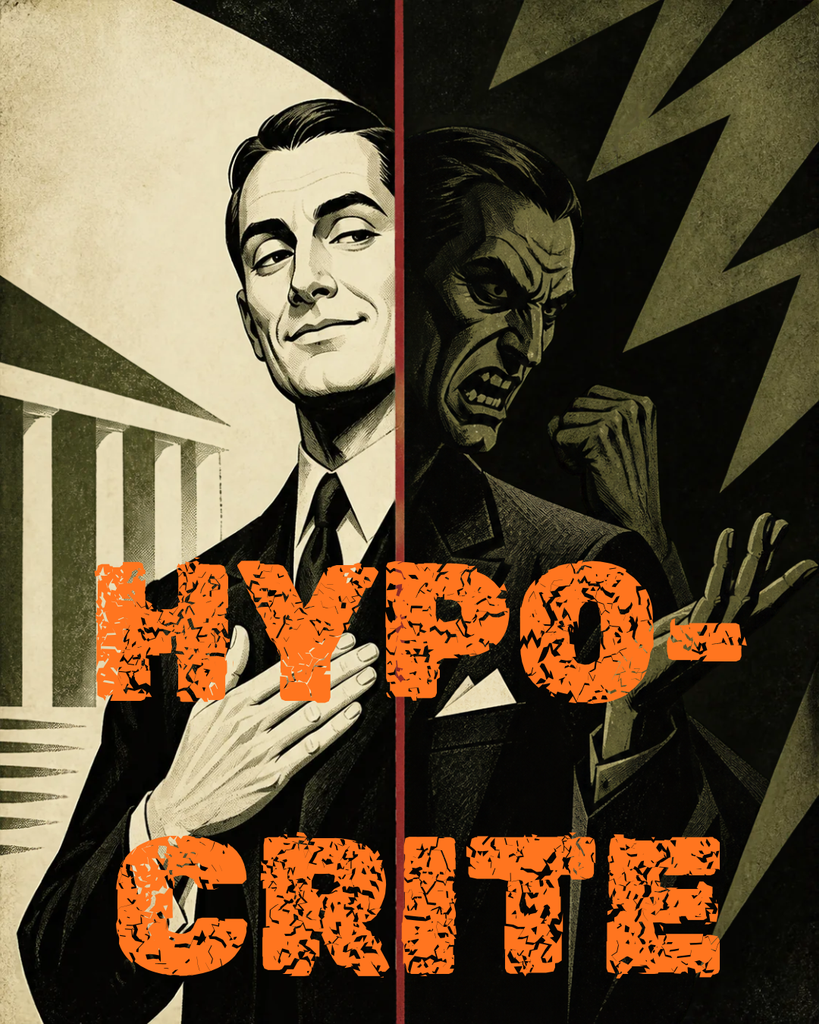
EASTON, MARYLAND — Brian Naranjo wants Talbot County voters to believe he represents a different kind of politics. His campaign slogan, “Meet Me in the Middle,” promises moderation, cooperation, and an alternative to the political division that has frustrated so many Americans.
But a review of his paid political advertising tells a considerably different story.
Behind the carefully crafted message of unity is a campaign that has spent weeks targeting political opponents through negative advertisements, personal criticism, and selectively framed controversies.
And one of his most frequent targets has been Republican Talbot County Council candidate Frank Gunsallus.
According to an October 27 compilation of Meta Ad Library records, Naranjo’s campaign produced 42 unique advertising creatives between September 10 and October 27. At least 22 were classified as negative or contrast advertisements, including seven targeting Gunsallus.
That means more than half of the campaign’s documented advertising creatives focused on attacking or contrasting opponents rather than exclusively promoting Naranjo’s own qualifications and proposals.
The figures raise an uncomfortable question: If Brian Naranjo truly wants to bring Talbot County together, why has attacking his political opponents become such a prominent part of his campaign?
Seven Advertisements Targeting One Candidate
The attacks against Gunsallus followed a sustained pattern.
On September 25, Naranjo's campaign challenged Gunsallus's proposal to improve the county permitting process by refunding fees when government failed to meet deadlines.
Rather than simply offering an alternative solution, the advertisement questioned Gunsallus's ability to govern and revisited disputes from his time on the Easton Town Council.
Two days later, another advertisement accused Gunsallus of political posturing.
On October 4, the campaign escalated its criticism by publicizing details of Gunsallus's criminal conviction.
On October 12, additional advertisements criticized his town hall performance and past leadership.
Finally, on October 26, the campaign released an advertisement challenging voters to identify a single accomplishment from Gunsallus's tenure as council president.
This was not an isolated disagreement between candidates. It was a coordinated series of paid messages directed at one political opponent.
What Naranjo Says About Himself Versus What His Campaign Does
The contradiction becomes even more apparent when examining Naranjo's own words.
On the Team Talbot website, Naranjo is quoted saying:
"I'm not running to fight. I'm running to govern."
His campaign website similarly promotes competence over political grandstanding.
Yet the advertising archive documents a campaign that repeatedly paid to criticize opponents, including through mock report cards, negative characterizations, and references to criminal history.
A candidate is entitled to scrutinize an opponent's record. But voters are equally entitled to scrutinize whether a candidate's actions match the principles he publicly promotes.
Naranjo cannot reasonably expect voters to judge his campaign solely by its promises of unity while ignoring the confrontational tactics documented in his own advertisements.
Even Naranjo Acknowledges His Aggressive Approach
In an October 27 article published by News From The States and republished by the Talbot Spy, journalist Josh Kurtz examined Naranjo's political background and campaign approach.
The article describes Naranjo as unapologetic about his aggressive criticism of Talbot County's political establishment.
It also recounts Naranjo discussing a political lesson from his family: that provoking opponents into responding can help drive the news and influence political debate.
That reporting adds another dimension to the advertising record. It suggests Naranjo understands the political value of confrontation, even as his public messaging emphasizes cooperation and moderation.
The Real Issue Is Credibility
Frank Gunsallus's public record is open to scrutiny, and voters have every right to ask difficult questions about his leadership.
But Brian Naranjo's record as a candidate deserves the same examination.
The documented advertising campaign raises legitimate concerns about selective messaging, political consistency, and the gap between a candidate's carefully constructed image and his campaign's actual conduct.
What the available records do not yet prove is that Naranjo knowingly lied about Gunsallus. Establishing that would require identifying specific false statements and verifying them against primary evidence.
Nevertheless, voters do not need to prove deliberate deception to question a candidate's credibility.
A campaign that sells unity while repeatedly promoting attacks against its opponents should be prepared to explain that contradiction.
Talbot County deserves candidates who will debate ideas, defend their records, and present voters with complete and accurate information.
As Election Day approaches, Brian Naranjo should be judged not only by the political values he claims to represent, but also by the tactics his campaign has chosen to employ.
The slogan is “Meet Me in the Middle.” The question is whether his campaign has actually lived up to it.
Opinion and Contributor Content Disclaimer
From time to time, this publication publishes opinion pieces, guest columns, letters, and articles submitted by individuals and organizations outside of our editorial staff. The views, opinions, and assertions expressed in such contributions are solely those of the authors and do not necessarily reflect the views, policies, positions, or opinions of this publication, its editors, owners, staff, or affiliates.
Publication of outside submissions does not constitute endorsement of any statements, claims, conclusions, products, services, or organizations referenced therein. Responsibility for the accuracy of facts, opinions, and representations contained in contributed content rests entirely with the author(s).